
A SOC 2 on AWS Checklist for Engineering Teams
SOC 2 comes down to a manageable set of controls, most of which map to AWS services you may already have. A practical checklist to get your team ready.
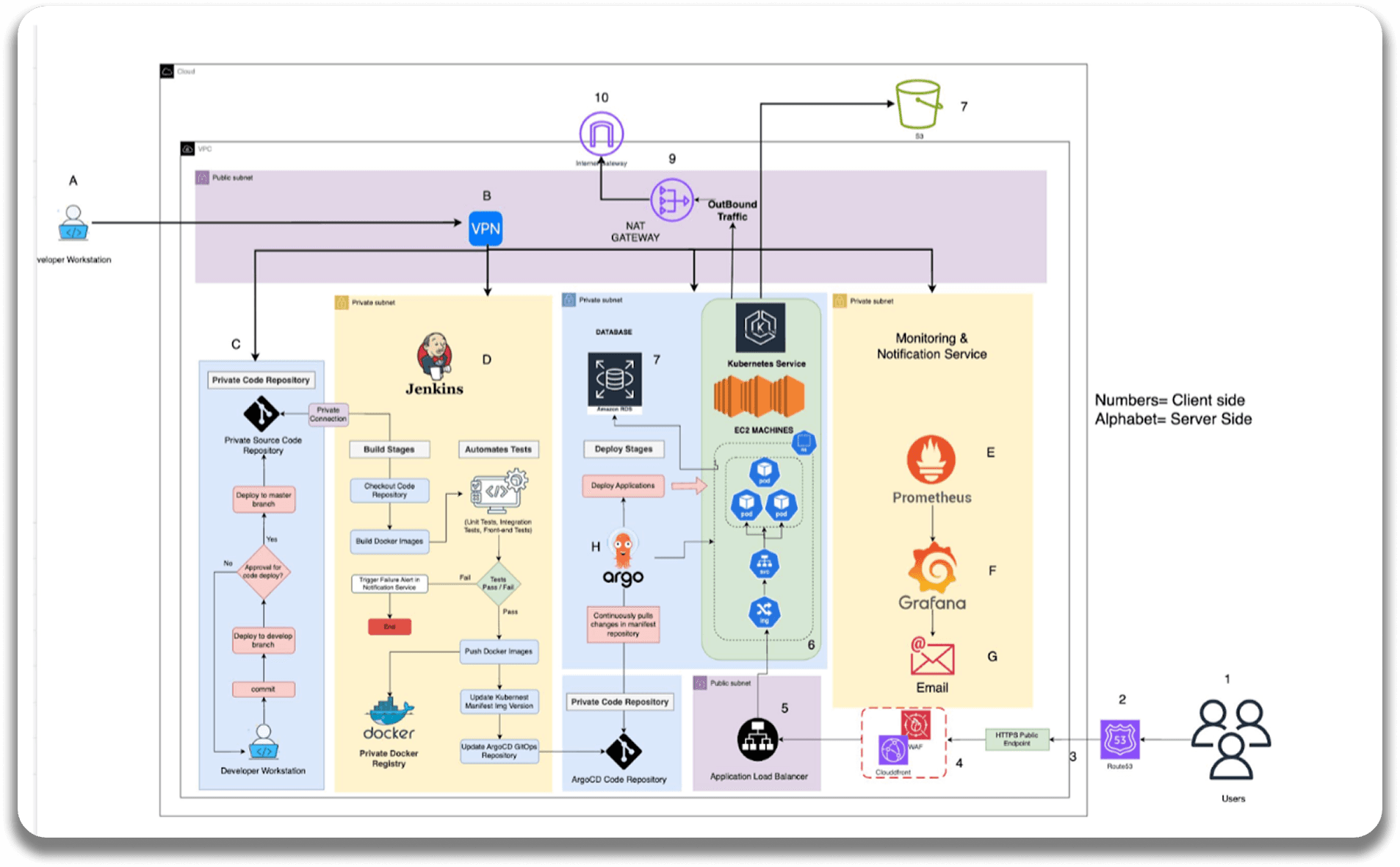
A SOC 2 audit feels intimidating the first time, but for an engineering team it comes down to a manageable set of controls, most of which are good practice anyway. SOC 2 does not prescribe exact tools. It asks you to prove that the controls protecting customer data are defined, in place, and operating over time. On AWS, most of those controls map to services you may already have. Here is a practical checklist to get ready.
Understand what SOC 2 actually asks for
SOC 2 is built on five Trust Services Criteria: security, availability, processing integrity, confidentiality, and privacy. Security is mandatory; the others apply based on what you promise customers. A Type I report shows controls are designed correctly at a point in time. A Type II report shows they operated effectively over a period, usually three to twelve months. Most buyers want Type II.
Identity and access
- Enforce SSO and MFA for every human with access to production.
- Apply least-privilege IAM roles. No long-lived root or admin keys.
- Use short-lived credentials and assume-role instead of static access keys.
- Review access quarterly and remove it promptly when people change roles or leave.
Encryption
- Encrypt data at rest with KMS across S3, EBS, RDS, and backups.
- Enforce TLS in transit everywhere, including internal service traffic where practical.
- Manage keys in KMS or Secrets Manager, never in code or environment files in a repo.
Logging and monitoring
- Turn on CloudTrail across all accounts and regions, with logs shipped to a locked-down account.
- Centralize logs and set alerts for suspicious activity with CloudWatch and GuardDuty.
- Retain logs for the audit period and protect them from tampering.
Change management
- Require pull requests, code review, and CI checks before anything ships.
- Deploy through automated pipelines, not manual steps, so every change is traceable.
- Keep infrastructure in code (Terraform or CloudFormation) so environment changes are reviewed like application changes.
Availability and recovery
- Run production across multiple Availability Zones.
- Automate backups and, more importantly, test that you can restore them.
- Write down your incident response process and actually run a drill against it.
Vendor and risk management
- Keep an inventory of subprocessors and their own compliance posture.
- Run a documented risk assessment and track remediation.
- Maintain security policies your team has read and follows.
Collect evidence continuously, not at the last minute
The teams that struggle with SOC 2 are the ones scrambling for screenshots the week before the audit. The teams that breeze through it wire evidence collection into their tooling from day one, so the audit is mostly a matter of exporting what already exists. A compliance automation platform helps, but the foundation is controls that are engineered in rather than bolted on.
One thing to remember
The auditor issues the report, but they do not build your controls. That work is engineering work, and it is far cheaper to do it as you build than to retrofit it under deadline pressure.
We do this as an AWS Advanced Tier Partner: we design and harden AWS environments to meet SOC 2, HIPAA, and PCI DSS, and hand your team the evidence trail auditors ask for. If a SOC 2 audit is on your roadmap, book a free audit, or read more about our SOC 2 compliance work and what SOC 2 typically costs.
Turn this guidance into a practical cloud plan
Bring your AWS, DevOps, Kubernetes, security, or AI automation concern to a focused 30-minute review. We will confirm fit and identify three useful priorities.