
Product Scope and Platform Decision
We define the users, core journeys, device needs, integrations, launch scope, and criteria for choosing native iOS and Android or a cross-platform approach.
CodetoKloud designs and builds native and cross-platform mobile products with clear user journeys, secure APIs, scalable AWS backends, release automation, and an ownership plan for what happens after launch.
 AWS Advanced Tier Partner★ 4.9/5 on Clutch (9 reviews)Replies within 1 business day
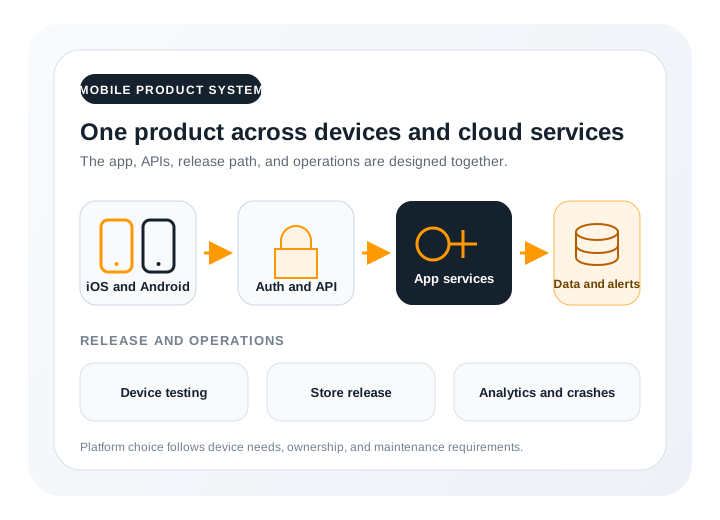
A mobile app development partner turns a product goal into software that works on supported phones and tablets. The work includes product scope, mobile UX, native or cross-platform engineering, backend APIs, device testing, store release, analytics, and ongoing operations.
CodetoKloud treats the app, cloud backend, release pipeline, and support model as one product. We select the implementation approach after reviewing platform-specific features, performance needs, delivery speed, internal skills, and the expected life of the application.
A successful mobile launch needs more than interface screens. These deliverables cover the product, backend, release path, and operating model.
We define the users, core journeys, device needs, integrations, launch scope, and criteria for choosing native iOS and Android or a cross-platform approach.
We design touch-first flows, navigation, states, and prototypes so users and stakeholders can validate the experience before full implementation.
We build maintainable native or cross-platform application code, including offline behavior, device permissions, notifications, and platform-specific requirements where needed.
We connect the app to authentication, application APIs, data services, file handling, notifications, and approved third-party systems on scalable AWS infrastructure.
We test supported devices, network conditions, critical flows, access controls, error handling, analytics events, and crash visibility before release.
We prepare release builds, support App Store and Google Play submission, document environments, and define ownership for updates, monitoring, and support.
The process validates the platform decision and critical user journeys before the largest engineering investment.
We identify the primary users, repeated mobile moments, device capabilities, data sensitivity, integration needs, and the smallest release that can prove value.
We compare performance, platform-specific features, delivery speed, team skills, expected lifespan, and maintenance cost before selecting the implementation path.
We validate critical journeys, then implement the app and backend together so authentication, data, notifications, and failure states are tested end to end.
We complete device testing, support store submission, monitor the first release, and provide documentation and a prioritized post-launch plan.
Share the users, core journey, device capabilities, existing systems, and launch target. We will help you define the smallest release that can validate the product direction.
We select native, cross-platform, backend, and release tooling around device requirements, product risk, team ownership, and expected maintenance.







Answers about platform choice, cloud backends, testing, store releases, and modernization.
Native Swift and Kotlin are a strong fit when the product depends heavily on platform-specific capabilities, maximum performance, or separate platform roadmaps. React Native or Flutter can reduce duplicate implementation when iOS and Android share most features. We compare user experience, device features, team skills, schedule, and long-term maintenance before recommending either path.
Yes. We can design and build the APIs, authentication, data services, file handling, notifications, deployment pipeline, and AWS infrastructure the application needs. We can also integrate an existing backend when its interfaces and security model are suitable.
Yes. We can prepare signed release builds, required technical assets, store configuration, test tracks, and submission support. Your organization should own the store accounts so it retains control of publishing, billing, and future updates.
Testing is based on the supported device and operating system matrix, critical user journeys, permissions, network loss, authentication, API failures, notifications, and release builds. The exact mix of automated and manual testing depends on product risk and scope.
Yes. We can assess crash patterns, performance, usability, outdated dependencies, release processes, backend constraints, and platform requirements. The result may be a staged modernization plan, targeted remediation, or a rebuild when the current foundation prevents safe progress.